What Is a Load‑Lock Vacuum Chamber?
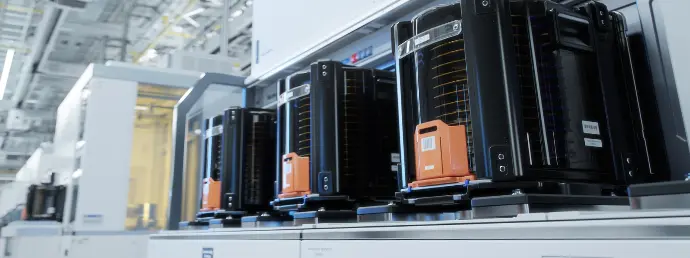
A load‑lock vacuum chamber is a critical component in vacuum systems and semiconductor manufacturing, used to load and unload sensitive devices such as semiconductor wafers. Its primary function is to enable the safe transfer of wafers from ambient atmospheric pressure into a high‑vacuum process chamber without exposing the main chamber to air.
In semiconductor fabrication, the process vacuum chamber is maintained at high vacuum pressure and is not vented to atmospheric conditions during production cycles. To protect this controlled environment, an auxiliary load‑lock chamber is used to isolate wafers while they are introduced or removed. Load‑lock chambers play a vital role in maintaining a clean, stable, and contamination‑free environment for handling delicate semiconductor materials.
Load‑Lock Pressure Cycling and Contamination Control
A load‑lock vacuum chamber is typically cycled between atmospheric pressure and a predefined vacuum level that allows wafer transfer through a buffer or transfer chamber into the main process chamber. Precise and reliable vacuum pressure control within the load‑lock is essential to ensure safe wafer handling.
Poor pressure control can result in an inrush of ambient air, which increases pump‑down time and significantly raises the risk of particulate contamination. Such contamination not only affects wafer yield and device performance but can also degrade the vacuum system components themselves. For this reason, effective load‑lock design and accurate pressure regulation are critical to achieving high throughput, process stability, and long‑term equipment reliability in semiconductor vacuum applications.
Load‑Lock Pumping Cycle
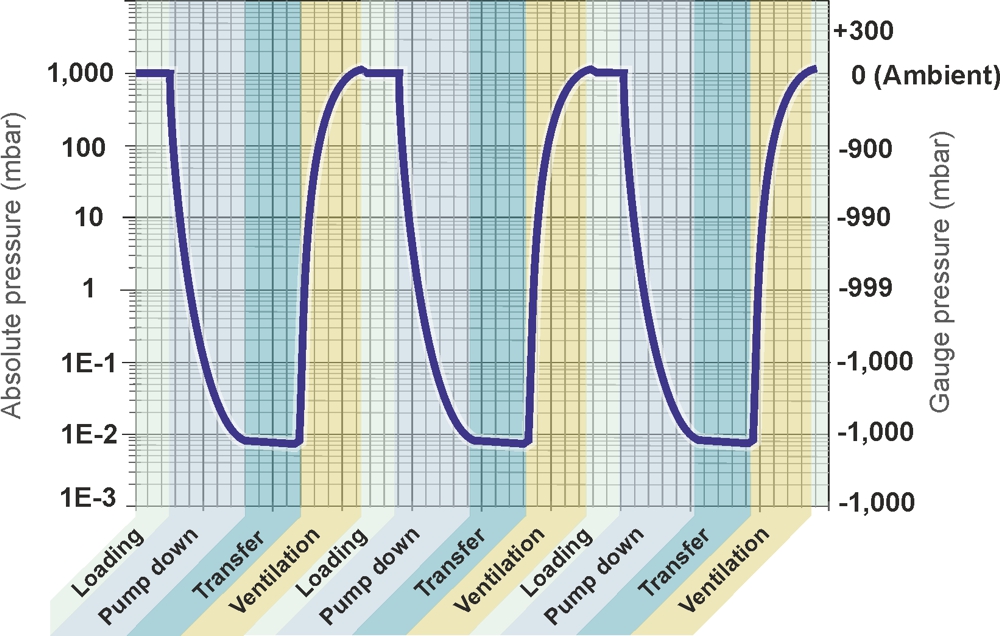
During the load‑lock pumping cycle, precise pressure control is essential to ensure safe and contamination‑free wafer transfer. A Pirani heat‑loss vacuum gauge is commonly used to measure the vacuum gas pressure inside the load‑lock chamber. This type of vacuum sensor provides reliable pressure readings in the rough to medium vacuum range and is well suited for semiconductor load‑lock applications.
The Pirani gauge output is typically used to generate a pressure set‑point control signal once the vacuum pressure in the load‑lock chamber is equalized with the pressure in the transfer chamber. When pressure equilibrium is reached, the system allows mechanical wafer transfer to occur: an unprocessed wafer is transferred from the load‑lock to the transfer chamber, while a processed wafer may be returned to the load‑lock.
After wafer transfer, the load‑lock chamber is ventilated with high‑purity nitrogen (N₂), either to ambient atmospheric pressure or to a slightly positive pressure above ambient. Venting with nitrogen instead of air is critical for preventing moisture, oxygen, and particulate contamination, thereby protecting both the wafers and the internal surfaces of the load‑lock vacuum chamber.
Load‑Lock Venting to Atmosphere Cycle
In the load‑lock venting cycle, accurate pressure measurement relative to ambient conditions is required to safely open the chamber and remove wafers. For this purpose, a gauge pressure sensor, which measures pressure relative to atmospheric pressure, is typically used.
Using a relative (gauge) pressure sensor instead of an absolute pressure sensor provides a significant advantage during venting. It allows the load‑lock chamber to be accurately equalized to zero differential pressure with respect to ambient air. This precise pressure matching minimizes mechanical stress on chamber doors and seals and ensures safe and repeatable operation.
Additionally, gauge pressure sensors automatically compensate for ambient pressure variations caused by weather changes, altitude, or facility conditions. As a result, the load‑lock can be vented reliably and consistently without recalibration, improving process stability, equipment reliability, and operator safety in semiconductor manufacturing environments.
Load-lock operation and pressure cycles
Load‑Lock Applications
Fast load‑lock cycle time is a key factor in optimizing wafer processing cost and overall tool throughput. In modern semiconductor manufacturing, load‑locks play a vital role in improving process precision, efficiency, and operational reliability, ultimately enabling the production of high‑quality semiconductor devices. The use of accurate, modern load‑lock pressure control systems can significantly shorten pump‑down and venting times, directly contributing to reduced cycle times and higher equipment utilization.
Semiconductor Industry
Load‑lock vacuum systems are most commonly associated with the semiconductor industry, where they are used to transfer wafers and substrates between ambient air and high‑vacuum process chambers. By isolating the process chamber from atmospheric exposure, load‑locks help maintain stable vacuum conditions, reduce contamination risk, and increase process repeatability.
Analytical Instrumentation
Load‑lock systems and technology is not limited to semiconductor fabrication. Load‑lock vacuum chambers are also widely used in analytical and scientific equipment, such as scanning electron microscopes (SEM) and other surface‑analysis tools. In these applications, samples must be transferred efficiently from ambient pressure into an analysis vacuum chamber while minimizing contamination and pump‑down time.
Load‑Locks in PVD and Thin‑Film Deposition Systems
In PVD (Physical Vapor Deposition) systems, maintaining the deposition chamber under continuous high vacuum is often desirable to improve film quality, process stability, and system uptime. In such systems, venting the main process chamber is avoided by using an auxiliary load‑lock vacuum chamber for loading and unloading substrates.
Single‑chamber PVD systems frequently employ large access doors to ambient pressure for loading carousels or coating fixtures. The large door surface area places high demands on the venting and pressure equalization process. Accurate pressure control during venting is essential to:
- Prevent over‑pressurization of the vacuum chamber
- Ensure safe and smooth door opening
- Protect seals, viewports, and mechanical components
Precise load‑lock pressure control enables safe operation while minimizing downtime and mechanical stress on the vacuum system.
Broader Load‑Lock Use Across Vacuum Systems
Many vacuum processes and system types, where samples, wafers, test objects, substrates, or devices must be transferred from ambient air to vacuum will benefit from the integration of an auxiliary load‑lock system. Key advantages include:
- Shorter cycle times
- Increased system uptime
- Reduced particulate contamination
- Lower water vapor and oxygen exposure
- Improved process consistency and yield
As vacuum‑based manufacturing and analytical techniques continue to evolve, load‑lock systems remain a foundational technology for achieving high throughput, cleanliness, and process control.
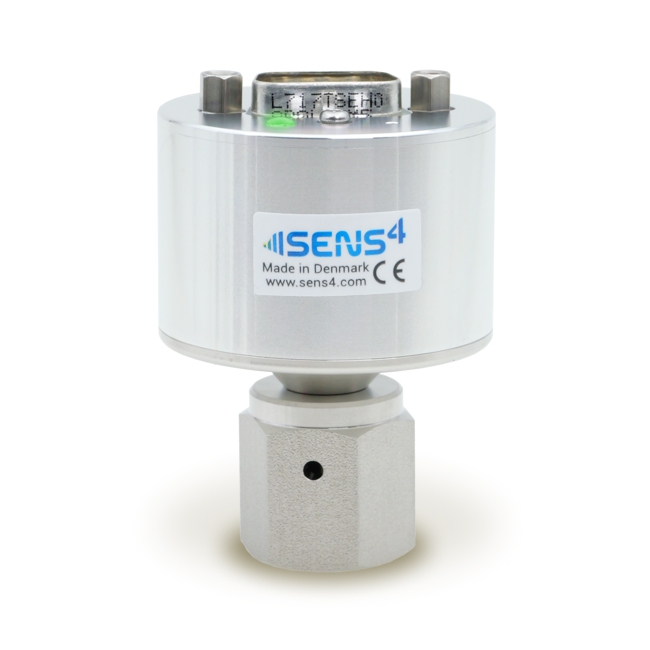
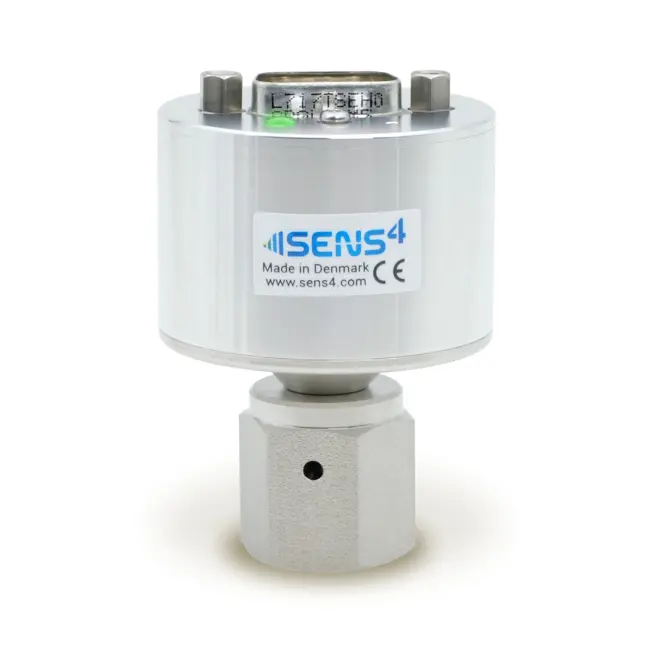
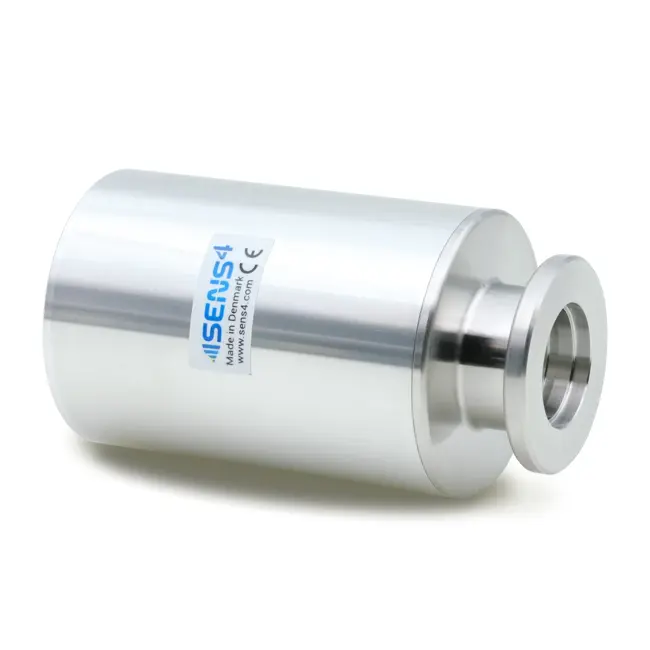
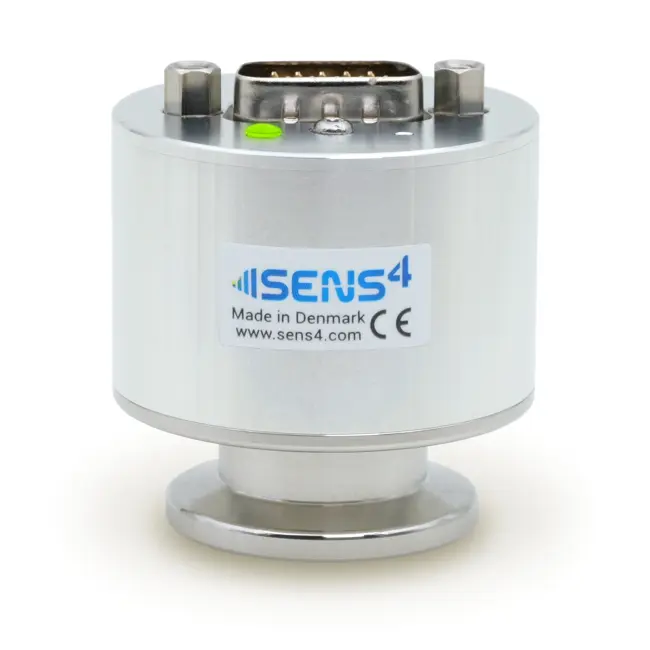
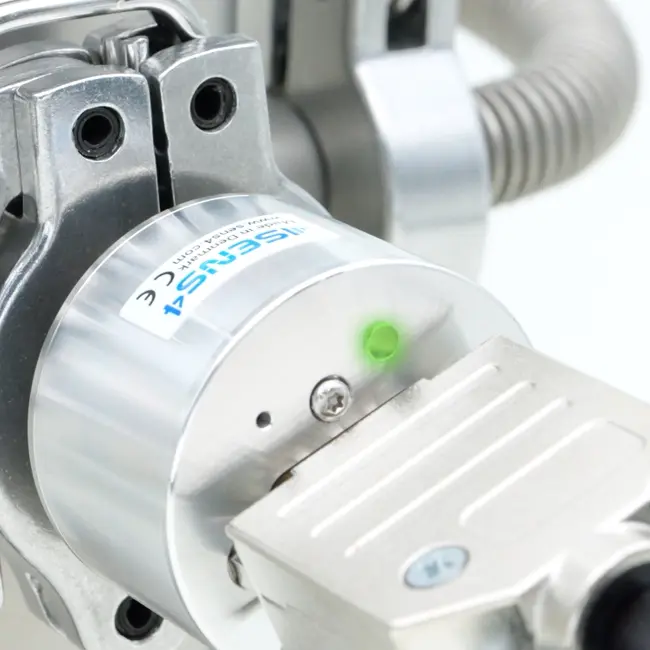
Sens4 has invented a new multi-sensor wide-range combination transducer for control of load-lock pressure cycles, which enables accurate ventilation to ambient pressure and accurate pump-down control to transfer vacuum pressure level.
It also offers a record-breaking wide range that, in some applications, can eliminate the need for hot or cold cathode combination gauges for load-lock applications, where low transfer pressure level is required.
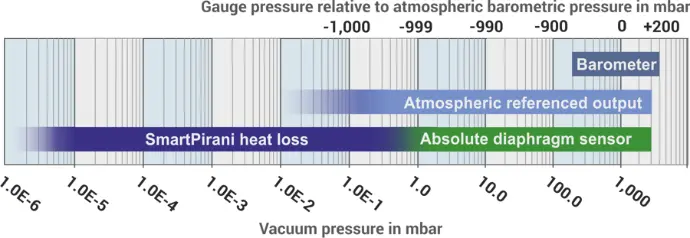
The SmartPirani™ ATM transducer can replace an atmospheric switch, a diaphragm vacuum transducer and a heat-loss Pirani transducer used on older load-lock systems – or it can be a performance upgrade on load-lock vacuum systems using legacy load-lock transducers.
Read Also: White Paper Load-lock Pressure Control in the Semiconductor Industry